
Walk down a car-care aisle and you will meet three kinds of paint protection: natural wax, synthetic sealant and ceramic coating. Each promises shine, water beading and protection from the weather. The differences are real, but so is the gap between a label and a driveway. How long a product lasts depends on the surface beneath it, the way it is applied and the climate it faces, so the figures on the bottle are best read as a starting point rather than a promise.
This guide compares the three products on durability, application time, cost and the preparation they need. It describes the general behavior of each type and does not recommend a brand. Read the directions for any product you choose, since curing times and temperature limits vary and skipping them can ruin the finish.
Short answer: a wax, a sealant and a ceramic coating differ in durability, application time and the preparation they need. The surface and the care after application matter as much as the product.
What each product does
Natural wax, often made from carnauba, sits on top of the paint and adds gloss. It is easy to apply and gives a warm, deep look that many enthusiasts love. Its protection is shorter than the other options, and it breaks down faster under heat, rain and washing.
Synthetic sealants are polymer-based products that bond to the paint and last longer than most natural waxes. They tend to produce a slick, reflective finish and strong water beading, and they are often simpler to maintain between applications.
Ceramic coatings are liquid polymers that cure into a thin, hard layer on the paint. Makers often claim years of protection, but real-life durability depends heavily on how well the surface was prepared, how the car is washed and how much exposure it faces. A coating that lasts a long time on a garaged car may wear faster on a vehicle parked outdoors through winter.
Durability and maintenance
Wax generally needs reapplying every few weeks to a few months, depending on use and weather. Sealants often last several months, and some last longer with regular washing and maintenance washes. Ceramic coatings are the most durable on paper, but they also need careful washing. Harsh detergents, abrasive sponges and automatic brushes can dull the layer over time.
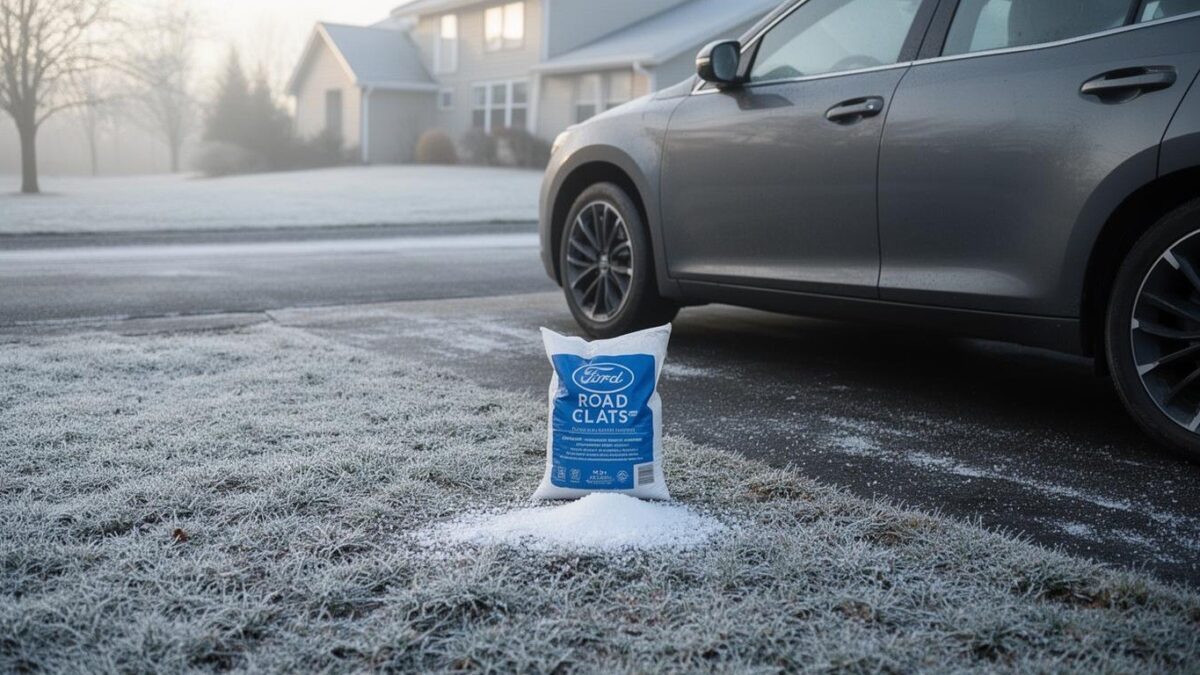
Winter exposure matters. Road salt and grit are tough on any protection, and a wax or sealant layer can wear quickly under salt. A protective layer may make it easier to rinse salt from the paint, but it does not stop salt from reaching the edges, the wheel arches and the underbody.
Application time and preparation
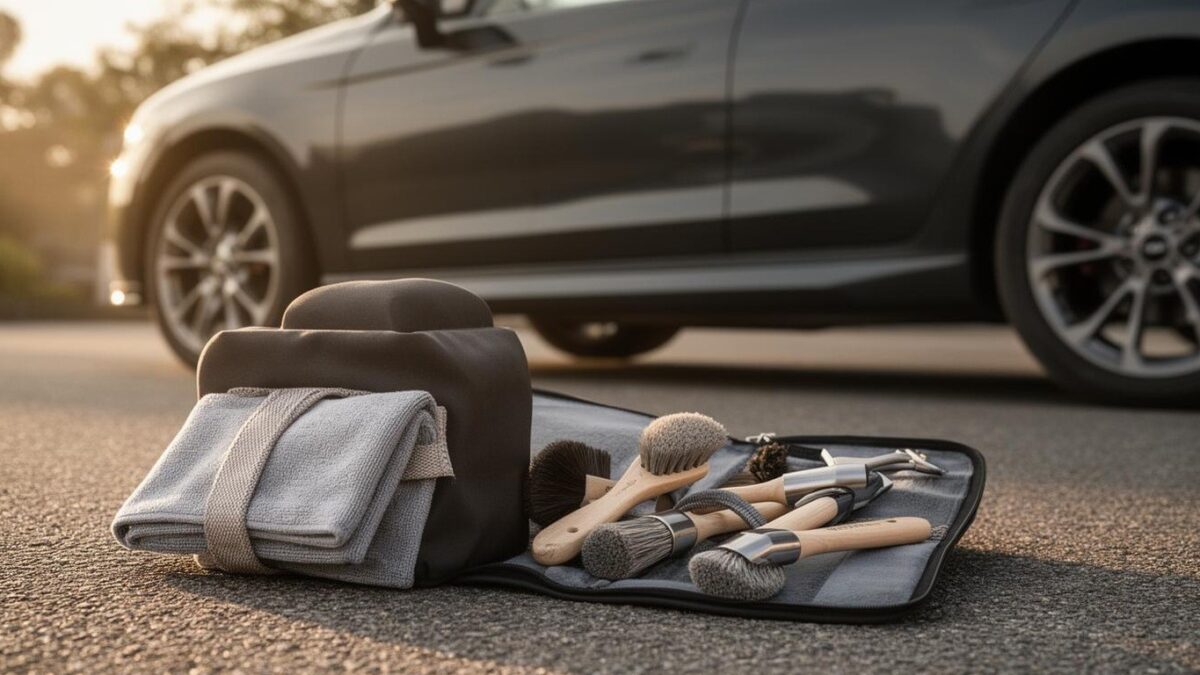
Surface preparation matters more than the product. Wash the car thoroughly, then decontaminate the paint to remove embedded grit and industrial fallout. A clay bar or a decontamination spray can help, and it should be done before applying wax, sealant or coating. Skipping this step can trap contamination under the protection and reduce the result.
Wax is the quickest to apply and the easiest to remove. Sealants take a little longer and often require a second layer. Ceramic coatings take the longest, often requiring a multi-step process, careful application in a clean area and a curing period during which the car must be kept dry and undisturbed. Some coatings require professional application, so check the product’s requirements before you start.
Cost over a year
The price on the shelf is only part of the cost. A wax may be inexpensive per bottle but need several applications a year. A ceramic coating costs more up front, yet it may need fewer applications if the product performs well in your conditions. Compare the cost per year rather than per bottle, and include the time, tools and any professional labor in the calculation.
| Product | Typical protection | Application | Best fit |
|---|---|---|---|
| Natural wax | Weeks to months | Quick | Enthusiasts who enjoy the process |
| Synthetic sealant | Months | Moderate | Regular maintenance and easy care |
| Ceramic coating | Often years, per maker | Longest, with careful prep | Owners who want low maintenance |
Choosing for your car
If you enjoy detailing and want a warm finish, natural wax may suit you. If you want longer protection with simpler upkeep, a synthetic sealant is a good middle path. If the car is kept outdoors and you want the most durable layer, a ceramic coating may be worth the investment, provided you are willing to prepare the surface and wash carefully. Our guide to winter car preparation covers the other items that protect a car through the cold months.
Salt, grit and winter protection
Winter brings road salt, grit and brine, and they can wear down protection quickly. A wax or sealant can make salt easier to rinse, but it does not stop corrosion from reaching bare metal at chips and edges. Wash the car as soon as possible after driving on treated roads, and pay attention to the underbody, wheel wells and door sills, where salt collects. A rinse that reaches the underside of the car is more effective than a quick wash of the visible panels. Reapplying protection before the worst weather can help the paint hold up through the season.
Maintenance washes between applications
A protective layer lasts longer when it is cared for between applications. Use a pH-balanced car wash soap, a soft wash mitt and plenty of water. Avoid automatic brushes with abrasive fibers, and dry the car with a clean microfiber towel rather than rubbing vigorously. Some products suggest a maintenance spray or a light top-up between full applications. Following the maker’s guidance keeps the finish looking fresh without stripping the earlier layers.
The short version
Wax gives a warm finish and needs regular reapplication, sealant lasts longer and is simpler to maintain and ceramic coating offers the most durability when the surface is prepared well and washed carefully. Prepare the paint, follow the curing directions and compare the cost per year. The best protection is the one you will keep up, because a protective layer that is maintained beats a premium product left to wear away.
Protection questions
Is a ceramic coating maintenance free?
No. Coatings need careful washing and occasional maintenance, and their life depends on how the car is used and cared for.
Can I apply wax over a sealant?
Many people do, but check the product directions first, since some layers do not bond well together.
Does a protective layer stop road salt?
It can make salt easier to rinse, but it does not stop corrosion at chips and edges.