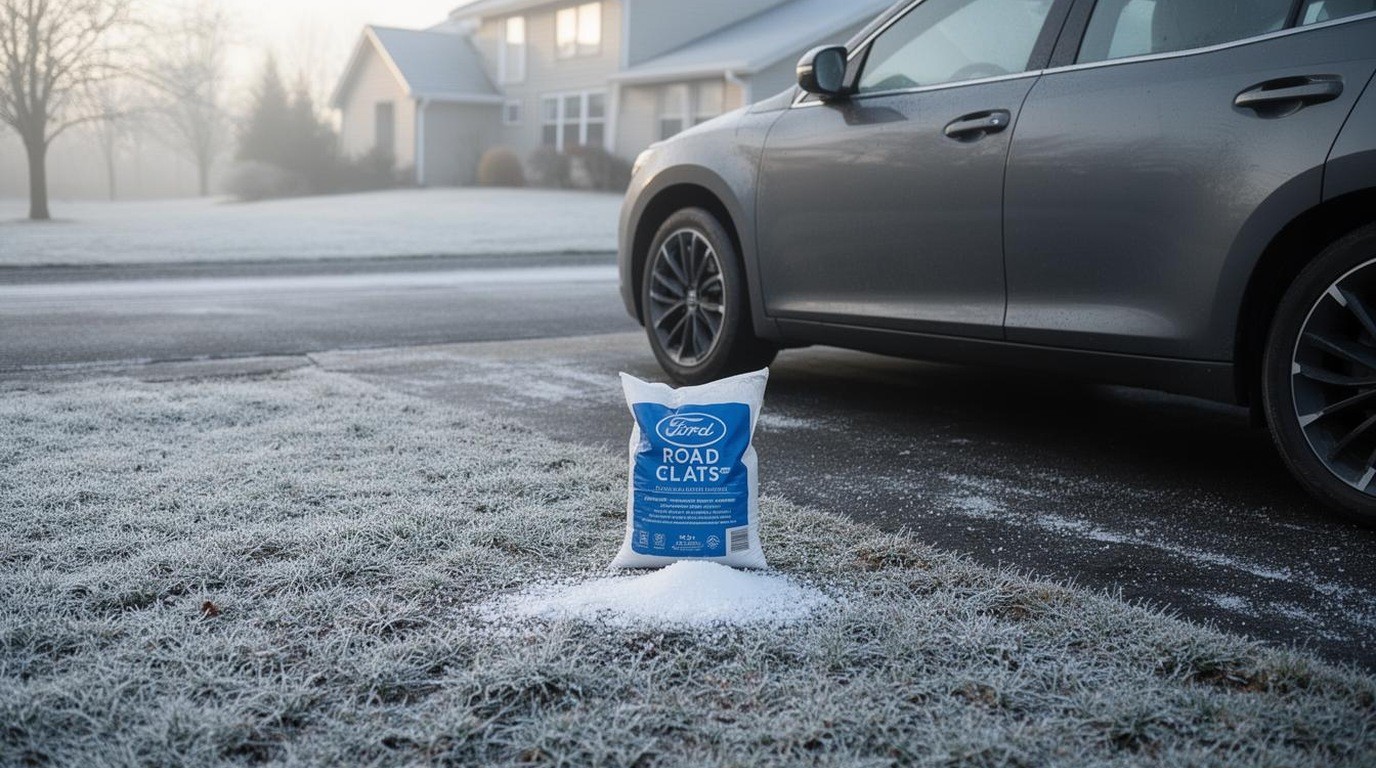
Winter arrives without much warning, and a car that started easily in October can refuse to turn over on a freezing January morning. Most of the problems that strand drivers in cold weather are predictable: a weak battery, worn wiper blades, low washer fluid, tires that have lost pressure and lights that no longer work. A short preparation routine in late autumn catches most of them before they become a roadside emergency.
This guide walks through a winter checklist, explains why each item matters in cold weather and shows which jobs you can do at home and which are better left to a technician. It is general maintenance guidance, not a service manual. Check your owner’s manual for the specific fluids and pressures your vehicle needs, and use a qualified mechanic for any sign of a serious fault.
In brief
- A weak battery often fails first in cold weather.
- Clear wipers, winter-rated washer fluid and a full reservoir prevent winter surprises.
- Tire pressure drops as the temperature falls.
Battery health
Cold reduces a battery’s available power, and a battery that was marginal in summer may fail on the first freezing morning. Many auto parts shops and service centers offer a free battery test, which measures how well the battery holds a charge. If the battery is more than a few years old, or if the engine cranks slowly, a test is a sensible first step.
Inspect the terminals for white or greenish corrosion. Cleaning them is a common task, but battery terminals contain corrosive acid. Wear eye protection and gloves, disconnect the cables in the order the manual describes, and rinse any residue with clean water. If you are unsure, leave the job to a professional.
Wipers and washer fluid
Replace wiper blades that streak, skip or chatter. Winter is hard on rubber, and a blade that leaves a film on the windshield can make night driving much harder. Check the washer fluid reservoir and fill it with fluid rated for freezing temperatures. Plain water can freeze in the lines and reservoir, which can crack parts and leave you without washer function when you need it.
Fluids and coolant
Check the coolant level when the engine is cold, and use the mixture the manual specifies. Coolant protects the engine from freezing and overheating, and a weak mix can fail in a hard freeze. Never open a hot radiator cap, and do not mix coolant types unless the manual allows it. Check the engine oil level, too, and make sure it is the grade the manual recommends for your vehicle and climate.
Look for leaks on the driveway or garage floor. A small drip may be harmless, but a puddle of fluid under the car is a sign that something needs attention.
- Battery. What to check: Crank speed and terminal condition. Warning sign: Slow start or clicking.
- Wipers. What to check: Blade edge and streak-free wipe. Warning sign: Chatter, streaks or skipping.
- Washer fluid. What to check: Freezing rating and reservoir level. Warning sign: Empty reservoir or frozen lines.
- Coolant. What to check: Level and mixture ratio. Warning sign: Low level or sweet smell.
- Tires. What to check: Tread depth and pressure. Warning sign: Uneven wear or warning light.
Tires and tread
Tire pressure falls as the temperature drops. A common rule of thumb is about one pound per square inch lost for every ten degrees Fahrenheit of cooling, so a tire that was correct in the fall may be low on a cold morning. Check the pressure when the tires are cold, using the number on the door placard rather than the maximum printed on the tire.
Tread depth matters more in snow and slush. Use a coin or a tread depth gauge to check the grooves, and consider winter tires if you drive in regions with heavy snow or ice. Winter tires use compounds that stay flexible in cold temperatures, which improves grip.
Lights and visibility
Test the headlights, taillights, brake lights, turn signals and the reverse lights. A bulb that has burned out in a dark winter afternoon is easy to miss until someone else points it out. Clear snow and ice from every light and from the windows before you drive, and brush the roof clear as well. Snow that slides off the roof can block the view of drivers behind you.
A winter kit in the trunk
A small kit can make a breakdown far less frightening. Include a warm blanket, a flashlight with fresh batteries, an ice scraper and brush, booster cables, a small shovel, bottled water, non-perishable snacks and a phone charger. Some drivers also carry a reflective triangle or flares, where local rules allow them. Check the rules that apply where you drive.
Defrosters and visibility
Clear visibility is one of the most important safety features in winter. Run the defroster long enough to clear the windshield fully, not just a small patch in front of the driver. Check that the defroster vents direct air toward the glass, and keep the cabin air filter clean so airflow stays strong. Clean the inside of the windshield, since a film of residue can cause glare when the sun is low. If fog builds up quickly, check whether the cabin air is recirculating, because switching to fresh air often clears the glass faster.
Driving habits in cold weather
Winter roads reward patience. Increase your following distance, since stopping takes longer on snow and ice. Brake gently and early, and accelerate smoothly to avoid spinning the wheels. Turn the steering wheel gradually, and avoid sudden movements that can unsettle the car. Plan longer trips with a fuel reserve, and let someone know your route if you are traveling far. A calm, measured driving style is one of the most effective winter safety tools you have.
The short version
Test the battery, replace worn wipers, use winter-rated washer fluid, check the coolant and oil, adjust tire pressure for the cold and check every light. Keep a winter kit in the trunk, and clear snow from the lights, windows and roof before you leave. Most winter breakdowns are preventable, and a checklist done in late autumn is far cheaper than a tow on a freezing night.
Winter prep mistakes
- Waiting for a warning light before checking the battery.
- Filling the washer reservoir with plain water.
- Ignoring tire pressure after a cold snap.
- Driving with snow still covering the lights and roof.